
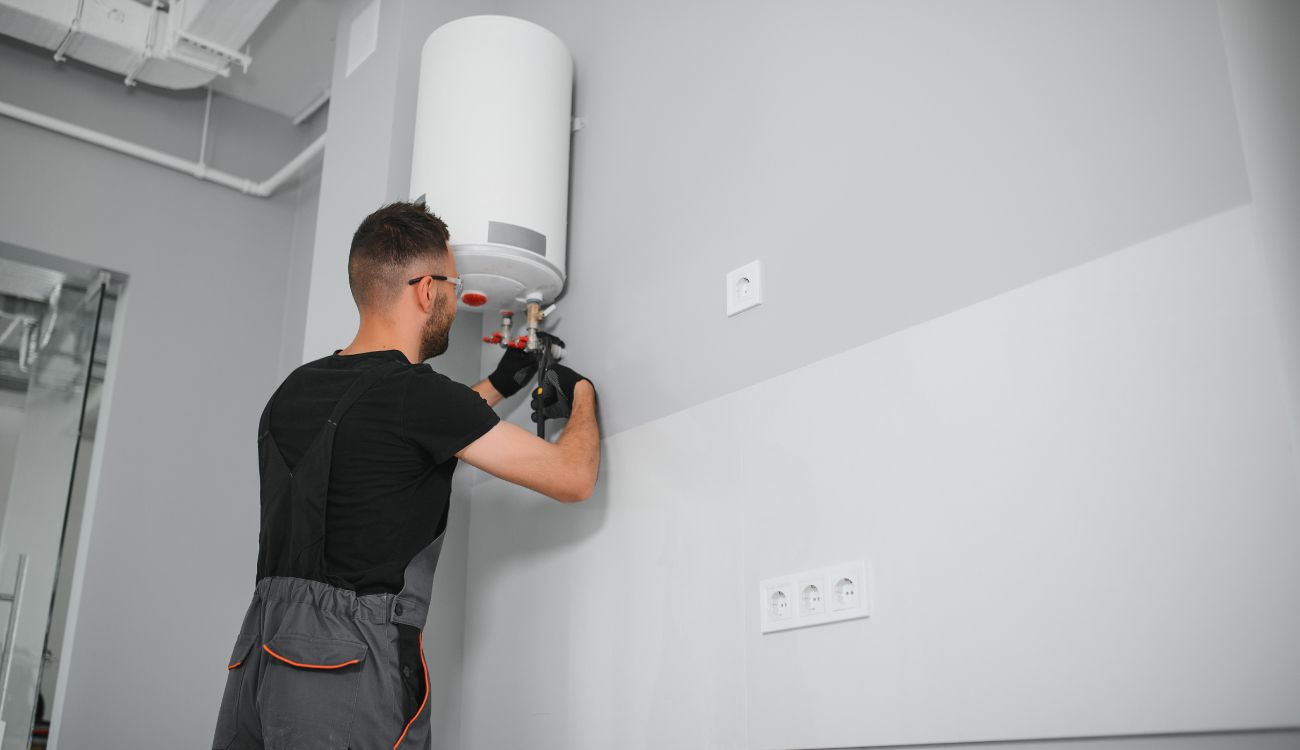
A boiler breakdown is one of the most stressful issues a homeowner can experience — especially during the colder months typical for Scotland. Whether your radiators are suddenly cold, your hot water has stopped working, or your boiler is making unusual noises, the discomfort can be immediate and significant. Fortunately, most problems can be repaired quickly and safely when diagnosed by a qualified professional. For homeowners in Glasgow, understanding the causes of boiler faults and knowing when to call a Gas Safe heating engineer is essential for keeping your home safe, warm, and energy-efficient.
This comprehensive guide explains the most common boiler problems in Glasgow homes, expected repair costs, warning signs you should never ignore, and how to prevent breakdowns in the future. The goal is to help you make informed decisions, avoid unnecessary expenses, and ensure your system operates at peak performance all year round.
1. Understanding the Importance of Boiler Maintenance
Your boiler is the heart of your home’s heating system. It works continuously — often unnoticed — to keep radiators warm and supply hot water on demand. However, like any mechanical component, boilers experience wear and tear over time. Small issues that go unnoticed can gradually escalate into complex faults requiring costly repairs.
Glasgow’s colder climate also puts additional pressure on boilers, making regular servicing even more important. Limescale, corrosion, pressure fluctuations, and frozen condensate pipes are just a few examples of regional factors that commonly contribute to system breakdowns.
Routine maintenance carried out by a Gas Safe engineer can identify early warning signs, replace worn parts before failure, and maintain the manufacturer’s warranty.
2. The Most Common Boiler Problems in Glasgow Households
Based on thousands of callouts each year across the UK, several recurring boiler issues tend to affect households in Glasgow. Understanding these will help you identify symptoms early and decide whether the fault requires immediate professional attention.
2.1 Low Boiler Pressure
This is one of the most frequently reported problems. A boiler that loses pressure cannot circulate hot water effectively, leading to cold radiators and an underperforming heating system.
Typical symptoms include:
- Pressure gauge reading below 1 bar
- No heating or hot water
- Boiler repeatedly shutting down
Possible causes:
- A leak in the heating system
- Recently bled radiators
- Faulty pressure relief valve
- Air trapped inside the boiler
Homeowners sometimes attempt to re-pressurise the boiler themselves, but if the pressure continues dropping, it indicates a deeper issue that must be inspected by a qualified heating engineer.
2.2 No Hot Water or Heating
Few faults are as disruptive as completely losing hot water or heating. This issue may stem from:
- A faulty diverter valve
- Malfunctioning thermostat
- Ignition failure
- Electrical wiring problems
- Low pressure caused by a leak
A diverter valve failure is especially common in combi boilers and typically requires replacement.
2.3 Boiler Keeps Turning Itself Off
This automatic shutdown is a safety mechanism, preventing the system from overheating or operating under dangerous conditions.
The most common triggers include:
- Low water pressure
- Blocked condensate pipe
- Poor water circulation
- Faulty pump
- Overheating due to scale buildup
Because the exact cause can be difficult to determine without diagnostic tools, professional inspection is strongly recommended.
2.4 Strange Noises From the Boiler
If your boiler makes loud banging, gurgling, whistling, or kettling sounds, something is definitely wrong. Noises often indicate:
- Limescale buildup
- Trapped air
- Sludge in the system
- Pump failure
- Low water flow
“Kettling” occurs when water boils inside the heat exchanger due to restricted flow, often caused by scale or sediment. If untreated, kettling shortens the lifespan of the boiler and reduces heating efficiency.
2.5 Frozen Condensate Pipe
Glasgow experiences sub-zero temperatures throughout winter, making frozen condensate pipes a common cause of boiler shutdowns. When the pipe freezes, the boiler cannot expel condensation, triggering a lockout.
A skilled heating engineer can thaw the pipe safely and insulate it to prevent future freezing.
2.6 Radiators Not Heating Properly
Cold spots, uneven heating, or completely cold radiators typically point to circulation issues. Causes include:
- Trapped air
- Sludge buildup
- A faulty pump
- Blocked pipes
- System imbalance
A power flush or chemical flush may be required to restore efficient heat distribution.
2.7 Pilot Light or Ignition Problems
Modern boilers use electronic ignition rather than manual pilot lights, but both can fail due to:
- Broken ignition leads
- Faulty flame sensors
- Blocked burners
- Lack of gas supply
These issues must be handled by a certified Gas Safe engineer due to the risk of gas leakage.
3. Boiler Repair Costs in Glasgow – What to Expect
Boiler repair pricing varies depending on the severity of the fault, type of boiler, and availability of spare parts. Glasgow homeowners can expect the following typical price ranges:
| Service Type | Estimated Cost (Glasgow) |
|---|---|
| Boiler diagnostic visit | £60 – £90 |
| Minor repairs | £80 – £150 |
| Replacement of valves, pumps, sensors | £120 – £300 |
| Cleaning or removing kettling | £100 – £200 |
| Ignition and burner repairs | £120 – £250 |
| Heat exchanger repairs | £300 – £600+ |
| Emergency boiler repair (out of hours) | £150 – £300+ |
It is essential to choose a Gas Safe registered engineer, as they are legally certified to work with gas appliances. FlameFox engineers follow all safety regulations and provide full transparency on repair costs before starting work.
Repairs carried out by non-certified individuals can void warranties and pose serious safety risks.
4. When You Should Call a Heating Engineer Immediately
Some boiler issues can wait until the next available appointment, but others require urgent professional attention. Ignoring warning signs can endanger your home and significantly increase repair costs.
Below are the situations where you should contact a Gas Safe engineer in Glasgow without delay:
4.1 You Smell Gas
This is a critical emergency. The smell of gas indicates a potential leak, which is extremely dangerous.
Immediate steps:
- Turn off the boiler
- Do NOT use electrical switches
- Open windows to ventilate
- Leave the property
- Call a Gas Safe engineer immediately
Gas leaks must always be treated as urgent — only certified specialists can legally and safely deal with the issue.
4.2 No Hot Water During Winter
Sudden loss of heating or hot water in the winter months can cause pipes to freeze and lead to extensive damage.
4.3 Boiler Keeps Locking Out or Displaying Error Codes
Modern boilers are designed to shut down when internal sensors detect faults. Repeated lockouts indicate a deeper issue.
4.4 Boiler Is Making Loud Banging or Boiling Sounds
This suggests kettling, pump failure, or dangerously overheating water inside the heat exchanger.
4.5 Radiators Are Stone Cold Despite the Boiler Running
This is a sign of circulation failure, often caused by a broken pump or blocked system.
4.6 Water Leaks Around the Boiler
Leaks can damage flooring, plaster, electrical systems, and cause corrosion inside the boiler. Even small leaks require immediate assessment.
5. Preventing Boiler Breakdowns – Expert Recommendations
Proactive maintenance is the most cost-effective way to extend the lifespan of your boiler and reduce the likelihood of unexpected failures.
Heating engineers recommend the following:
5.1 Schedule an Annual Boiler Service
A yearly service is essential for safety, efficiency, and warranty compliance. During servicing, the engineer will:
- Check for leaks
- Test gas pressure
- Clean internal components
- Verify flue safety
- Inspect the heat exchanger
- Ensure the boiler operates within safe limits
Homes that schedule annual servicing experience significantly fewer breakdowns.
5.2 Bleed Radiators Regularly
Air trapped inside radiators prevents proper heat distribution and puts extra strain on the boiler.
5.3 Install a Magnetic Filter
Magnetic filters capture sludge and metallic debris circulating within the system. This protects the boiler, pump, and radiators.
5.4 Insulate Pipework
Especially the condensate pipe, which commonly freezes in Glasgow winters.
5.5 Use a Smart Thermostat
Smart thermostats extend boiler lifespan by optimising heating cycles and reducing unnecessary usage.
5.6 Monitor Pressure Levels
If pressure drops frequently, it may indicate leaks or internal issues. Early detection prevents major faults.
6. Should You Repair or Replace a Boiler?
Sometimes a boiler can be repaired affordably, but in other cases, replacement is more cost-effective.
Replacement may be the better choice if:
- The boiler is more than 12–15 years old
- Repairs exceed 40% of the cost of a new boiler
- The model has poor efficiency
- Parts are no longer widely available
- Breakdowns are becoming frequent
FlameFox engineers offer honest, transparent advice to help homeowners decide between repair and replacement.
7. How Long Do Boiler Repairs Take?
The repair time depends on the type of fault and whether replacement parts are immediately available.
Typical durations:
- Minor repairs: 1–2 hours
- Valve or pump replacement: 2–4 hours
- Heat exchanger replacement: half-day to full day
- Complex diagnostics: 1–3 hours
Emergency boiler repair services can often provide same-day solutions in urgent situations.
8. Choosing the Best Boiler Repair Company in Glasgow
Not all heating engineers offer the same level of expertise. To ensure safety and reliability, always look for:
8.1 Gas Safe Registration
This is a legal requirement for anyone working on gas appliances in the UK.
8.2 Transparent Pricing
Avoid companies that cannot provide clear estimates.
8.3 Local Expertise
A Glasgow-based heating engineer understands common problems caused by local climate conditions.
8.4 Good Reviews and Reputation
Look for consistent 5-star ratings and verified customer feedback.
8.5 Fast Response Times
Especially in the winter months, you need a company that acts quickly.
FlameFox meets all of these criteria and provides full coverage across Glasgow.
9. Why Glasgow Homeowners Trust FlameFox
FlameFox has become a leading provider of boiler repair services in Glasgow thanks to:
- Gas Safe certified engineers
- Rapid response times
- Transparent pricing
- Expertise with all boiler brands
- Friendly and professional service
- Long-term solutions rather than temporary fixes
Whether you need emergency boiler repair, routine servicing, or diagnosis of unusual noise, FlameFox delivers reliable and safe results.
10. How Environment and Weather in Glasgow Affect Boiler Performance
The weather conditions in Scotland—particularly in Glasgow—play a major role in how heating systems age and how frequently they require repairs. Glasgow experiences high humidity, prolonged periods of rainfall, and temperatures that can drop below freezing during winter months. All of these factors accelerate wear on heating systems and plumbing components.
Understanding the environmental impact helps homeowners recognise the importance of proactive maintenance and early diagnosis.
10.1 Cold Winters Increase Boiler Load
Boilers in Glasgow run significantly more often than boilers in warmer regions. The heating demand rises sharply between October and March, which means:
- constant cycling
- longer operating hours
- higher internal temperatures
- more strain on pumps and valves
This increased workload leads to faster wear and a higher likelihood of breakdowns during peak winter months. The majority of emergency callouts for boiler repair in Glasgow occur when temperatures drop suddenly.
To avoid breakdowns during the coldest time of the year, heating engineers recommend performing a full boiler service before winter begins.
10.2 High Humidity and Heavy Rainfall Affect Internal Components
Moisture is one of the biggest threats to boiler performance. Prolonged humidity can cause:
- corrosion on internal components
- deterioration of seals
- electrical faults due to moisture ingress
- rust on pipes and fittings
Glasgow’s rainy climate increases these risks. While modern boilers are built to withstand moisture, long-term exposure still accelerates degradation. Regular inspections ensure early detection of corrosion or damaged seals.
10.3 Freezing Temperatures and Condensate Pipe Blockages
The most common winter-related fault reported in Glasgow homes is a frozen condensate pipe. When the pipe freezes:
- boiler pressure drops
- the boiler shuts down for safety
- error codes such as “EA” or “E133” appear
Heating engineers strongly recommend insulating external pipework and ensuring proper slope and drainage to prevent freezing.
11. Identifying the Early Warning Signs of Boiler Failure
One of the keys to preventing costly repairs is recognising warning signs before a full breakdown occurs. Most boilers show symptoms long before the system completely fails.
Below are the most important signals homeowners should never ignore.
11.1 Fluctuating Water Temperature
If your shower alternates between hot and cold, or radiators warm up inconsistently, this may indicate:
- a failing thermostat
- an issue with the diverter valve
- scaling inside the heat exchanger
These symptoms generally worsen over time and rarely resolve on their own.
11.2 Rising Energy Bills Without Increased Usage
An inefficient boiler consumes more gas to achieve the same output. Sudden increases in utility bills often point to:
- a failing pump
- thermostat inaccuracies
- poor combustion efficiency
- sludge buildup restricting flow
A Gas Safe engineer can measure combustion performance and identify causes of energy loss.
11.3 Frequent Resetting or Error Codes
Modern condensing boilers include safety systems that shut down the unit when they detect irregularities. Repeated error codes may indicate:
- ignition issues
- gas supply problems
- blocked flue or condensate
- overheating
- failing sensors
Ignoring repeated resets can lead to severe internal damage.
11.4 Unusual Odours
Any unusual smell—particularly burning or gas smells—requires immediate attention.
Common causes include:
- overheating internal components
- electrical faults
- partial combustion
- gas leaks
Safety must always come first. If you notice unusual odours, shut down the boiler and contact a Gas Safe engineer immediately.
11.5 Leaks Around the Boiler
Water around the boiler can indicate:
- corrosion
- worn seals
- failing pump
- pressure relief valve malfunction
Even small leaks can lead to mould, structural damage, and corrosion inside the unit.
12. How Heating Engineers Diagnose Boiler Problems
When a heating engineer visits your home for boiler repair, they follow a structured diagnostic process to identify the root cause of the fault.
This process typically includes:
12.1 Visual Inspection
The engineer checks for:
- visible leaks
- rust or corrosion
- loose wiring
- improper pressure readings
- blocked pipes
Many issues can be identified visually before further tests begin.
12.2 Reviewing Error Codes
Fault codes displayed on the boiler help narrow down potential issues. Each manufacturer uses its own system, but common categories include:
- ignition faults
- overheating
- fan issues
- sensor malfunctions
- pressure problems
Interpreting these codes correctly requires experience and manufacturer knowledge.
12.3 Testing Gas Pressure and Combustion
Safe and efficient combustion is essential. Engineers test:
- gas inlet pressure
- burner performance
- CO and CO₂ ratios
- flue gas temperature
Incorrect combustion can increase gas consumption and pose safety risks.
12.4 Checking Internal Components
This includes:
- pumps
- valves
- diverter mechanisms
- heat exchangers
- sensors and thermostats
Some faults, such as worn pump bearings or damaged heat exchangers, can be detected by sound and temperature measurement.
12.5 Evaluating Water Circulation
The engineer checks for:
- sludge buildup
- flow restrictions
- air blockages
- pump performance
Poor circulation is a common cause of boiler inefficiency in older Glasgow homes.
13. The Environmental and Financial Benefits of Timely Boiler Repair
Fixing boiler problems early doesn’t just improve comfort — it also provides significant savings and environmental benefits.
13.1 Improved Energy Efficiency
A well-maintained boiler uses less gas, which helps:
- reduce monthly energy bills
- lower carbon emissions
- decrease wear on components
Inefficient boilers can waste up to 40% more fuel.
13.2 Extended Lifespan
Minor repairs and preventive maintenance can extend your boiler’s life by several years. Without maintenance, internal components degrade faster due to:
- limescale
- corrosion
- overheating
- sludge accumulation
Replacing a boiler costs significantly more than regular servicing.
13.3 Enhanced Home Safety
Faulty boilers can pose serious dangers, including:
- gas leaks
- carbon monoxide exposure
- electrical hazards
A Gas Safe engineer ensures all safety mechanisms function correctly.
14. Emergency Boiler Repair in Glasgow
Boiler failures often happen unexpectedly and at the worst possible times — late at night, early morning, or during freezing weather. Emergency boiler repair services ensure your home remains safe and warm.
14.1 What Counts as an Emergency?
Situations requiring immediate assistance include:
- no heating during freezing temperatures
- no hot water when elderly or children are present
- banging or boiling noises suggesting overheating
- gas smell
- water leaks damaging the property
- boiler locking out repeatedly
Emergency engineers prioritise safety and quick restoration of heating.
14.2 How Quickly Can Emergency Services Arrive?
Most Glasgow-based engineers, including FlameFox, aim to provide:
- same-day repairs for urgent issues
- rapid diagnosis within the first hour
- temporary fixes if parts are unavailable
During peak winter, rapid response time is the biggest advantage of choosing a local heating engineer.
14.3 Temporary Heating Solutions
If the boiler requires a part that’s not immediately available, engineers may offer temporary solutions such as:
- bypassing faulty components (if safe and compliant)
- portable heating units
- partial system restoration
This ensures your home remains comfortable while waiting for replacement parts.
15. How Long Should a Modern Boiler Last?
On average, a modern condensing boiler lasts 12–15 years, though many fail earlier due to lack of maintenance.
The factors influencing lifespan include:
- water quality
- frequency of servicing
- brand and model
- installation quality
- environmental exposure
- heating demand
High-efficiency boilers require more complex electronics, which can fail sooner if not properly maintained.
16. Common Myths About Boiler Repair
Many homeowners rely on outdated information, which can lead to unnecessary expenses or unsafe conditions. Below are some common boiler myths debunked by heating professionals.
16.1 “If the boiler resets, it must be fine.”
A reset only clears the safety lockout — it does not fix the underlying issue.
16.2 “I can smell gas, but I’ll check it later.”
Delaying action is extremely dangerous. Gas leaks require immediate professional inspection.
16.3 “Annual servicing isn’t necessary for new boilers.”
Even new boilers need servicing to maintain efficiency and warranty coverage.
16.4 “A noisy boiler is normal.”
Boilers are designed to operate quietly. Strange noises almost always indicate a fault.
16.5 “I can fix pressure issues myself.”
Repressurising is safe, but recurring pressure loss indicates leaks or internal damage requiring professional repair.
17. When Repairing the Boiler Is No Longer Cost-Effective
At a certain point, continuing to repair an old boiler becomes more expensive than replacing it. Heating engineers evaluate the following factors:
17.1 Age of the Boiler
Boilers older than 12–15 years typically suffer frequent breakdowns and poor efficiency.
17.2 Cost of the Required Repair
If repairs exceed 40% of the cost of a new boiler, replacement is often recommended.
17.3 Availability of Spare Parts
Some older models are discontinued, making repairs slow and expensive.
17.4 Energy Efficiency
Upgrading to an A-rated boiler can significantly reduce gas bills.
17.5 Safety Concerns
Corroded heat exchangers, failing seals, or recurring combustion issues indicate the boiler may be unsafe to continue operating.